


Tarnogród in the Lublin Province is known as the capital of Polish rural theatre. The Tarnogród Cultural Centre (TOK) coordinates the rural theatre movement in Poland and, for over 40 years, has been organising the annual Nationwide Assembly of Polish Rural Theatres, which presents the best performances from around the country. The TOK stage hosts ritual performances and shows directly related to the traditions and culture of the Polish countryside, its customs, beliefs and everyday life, as well as amateur drama and comedy performances.
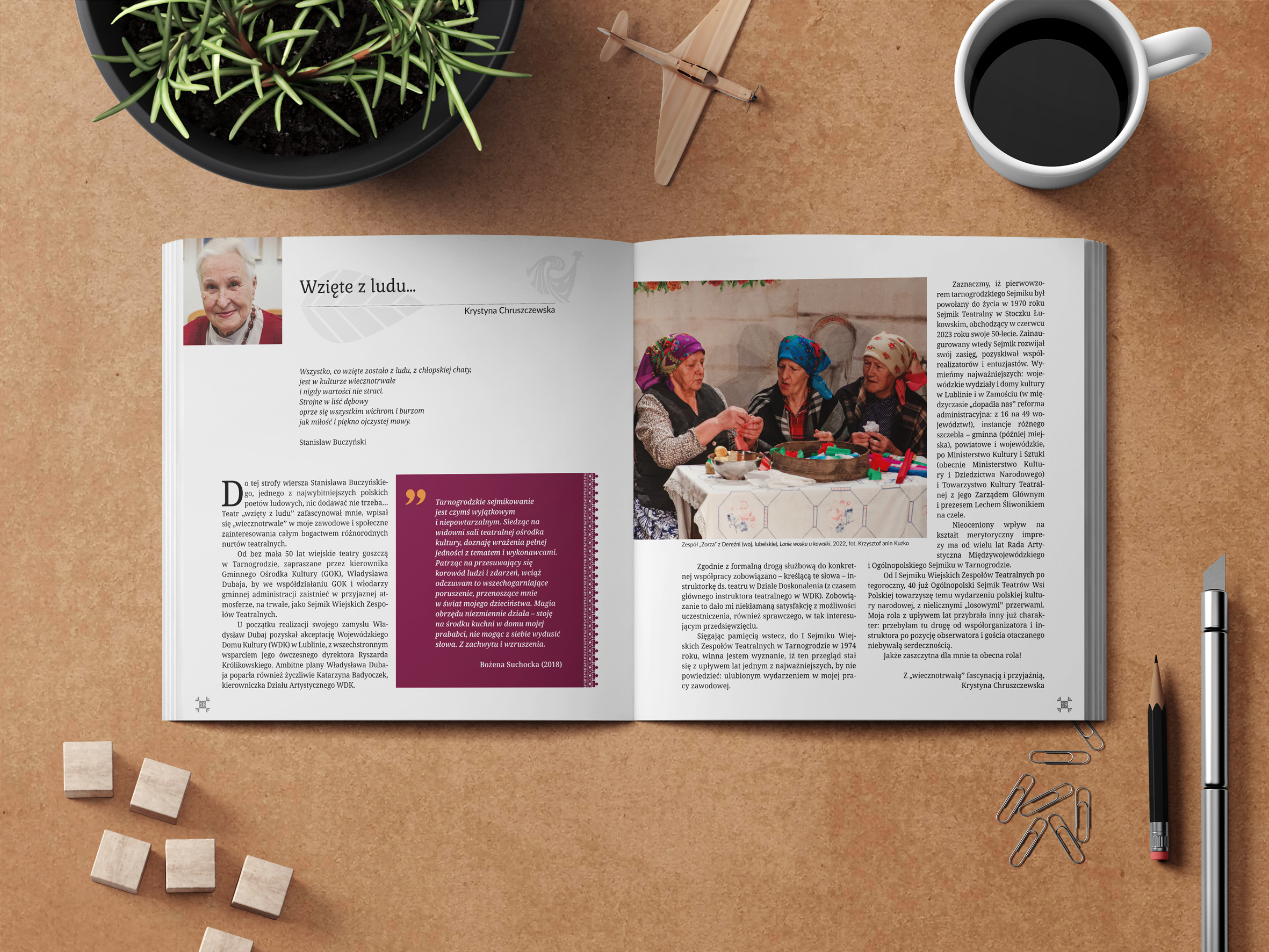
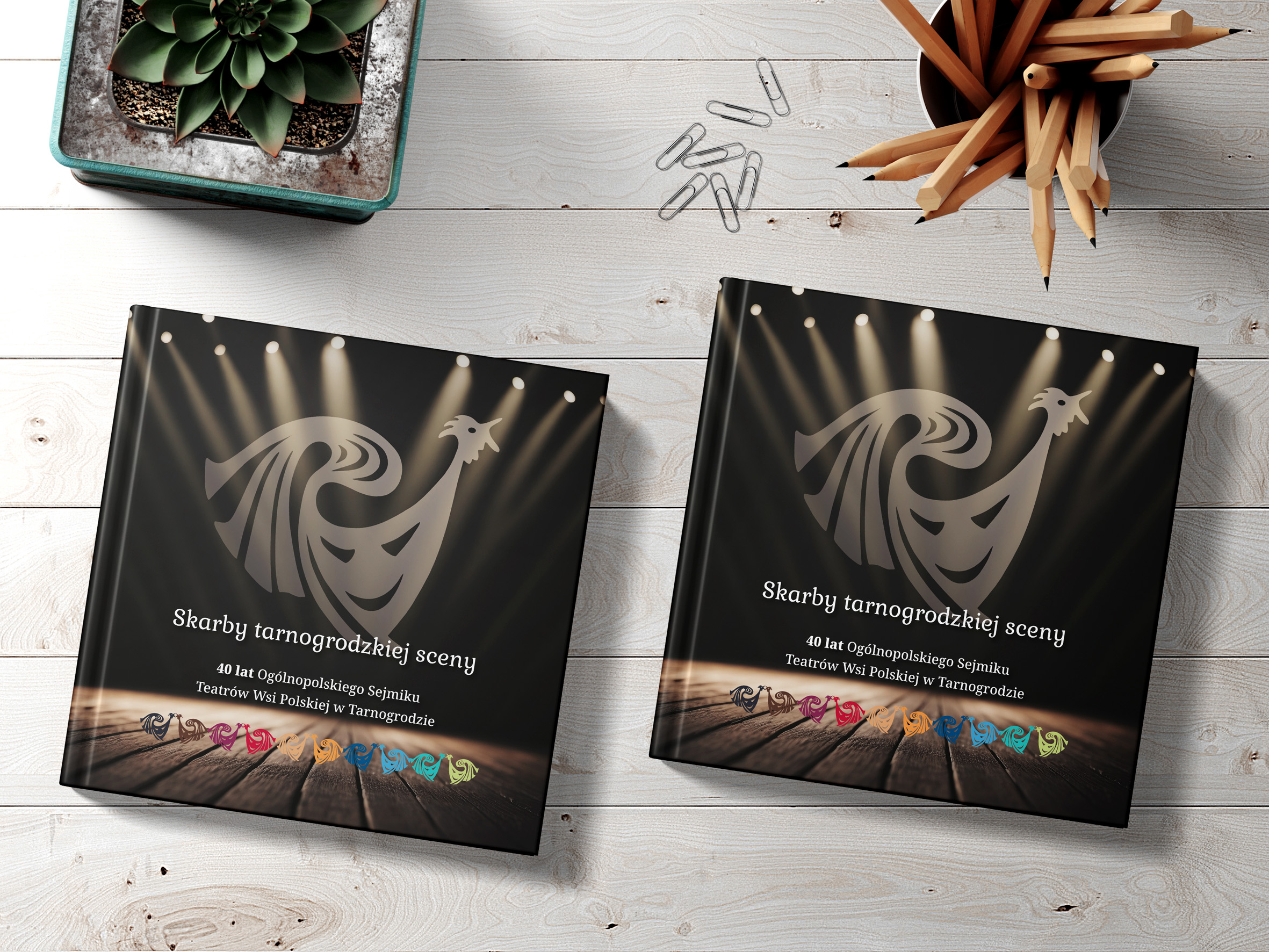
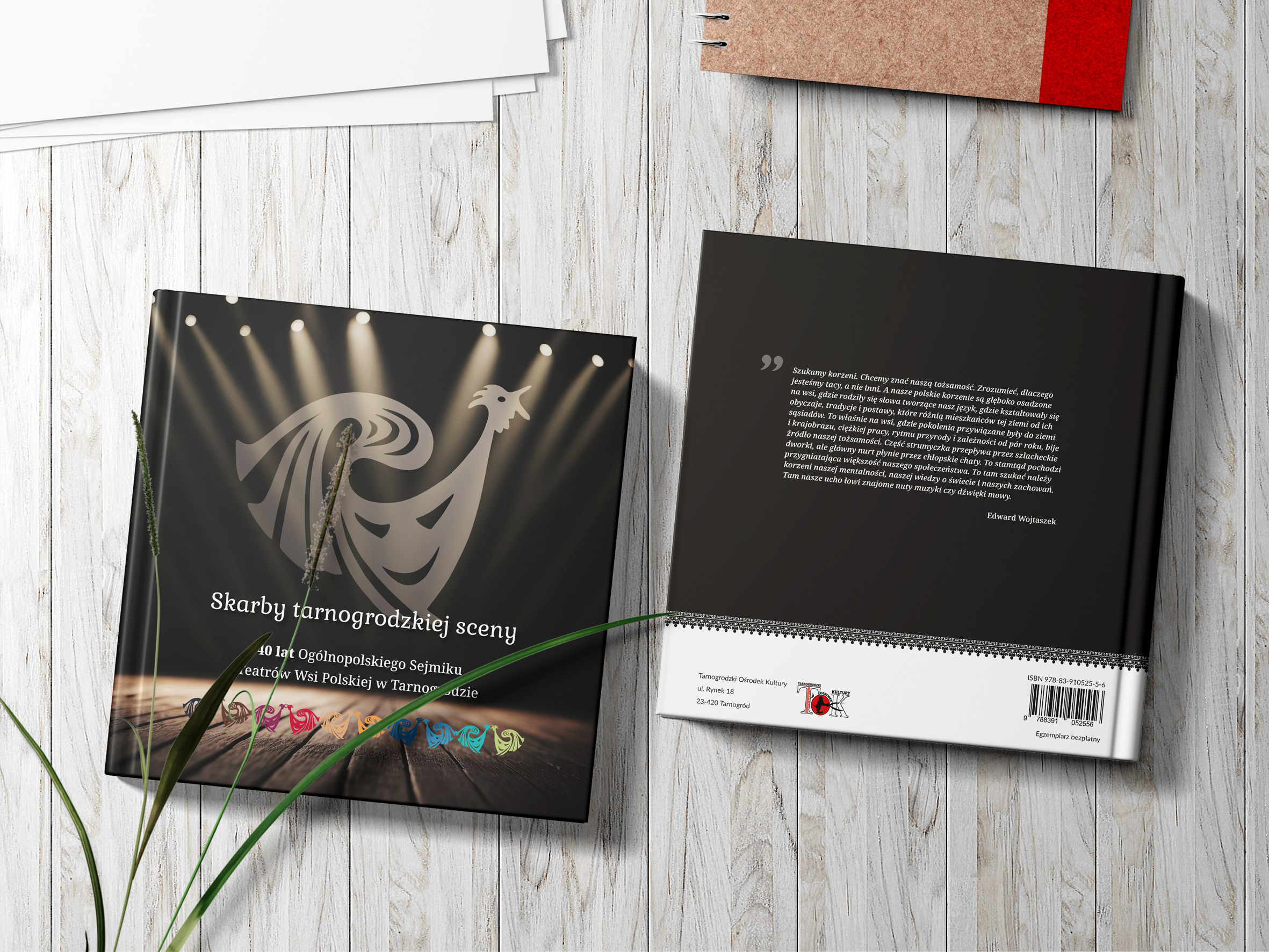
On the occasion of the 40th anniversary of the Assemblies of Rural Theatre Groups, together with the Tarnogród Cultural Centre, we published a book entitled ‘Treasures of the Tarnogród Stage’ commemorating forty years of rural theatre: the people of the assembly, the troupes, the rituals. In addition to the memories of creators and friends, it contains a wealth of archival photographs and photos from recent theatre meetings, showing the extraordinary richness and diversity of these beautiful events.
The book is a colourful mosaic of ritual performances and a kaleidoscope of rural theatre productions over the years. Unique shots of the performances allow the reader to travel back in time, showing the old customs and work of rural inhabitants, such as weddings, Shrovetide, walking with a star, wreath making, feather plucking and cabbage pickling. Thanks to this publication, we also have the opportunity to learn about the history of the theatre council, the most valuable content of the performances, elements of the set design, and traditional folk costumes and equipment from rural cottages. It is the best way to thank everyone who has contributed to the continued existence of rural theatre in Poland.
If 50 years ago someone had said that a theatrical tradition would emerge in the small town of Tarnogród, which would survive five decades and at the same time contribute to the preservation of the intangible heritage of our culture, probably not everyone would have believed it. And yet – here we are! The Interprovincial Assembly of Rural Theatre Groups has become more than just a cultural event. It is proof that theatre, even when performed on a rural stage, can be great.
The 50th Assembly of Rural Theatre Groups in Tarnogród is not only a review of performances, but also an opportunity to reflect on its history and significance in safeguarding of cultural heritage. For half a century, the event has been bringing generations together, creating a space where folk culture remains alive and inspiring.
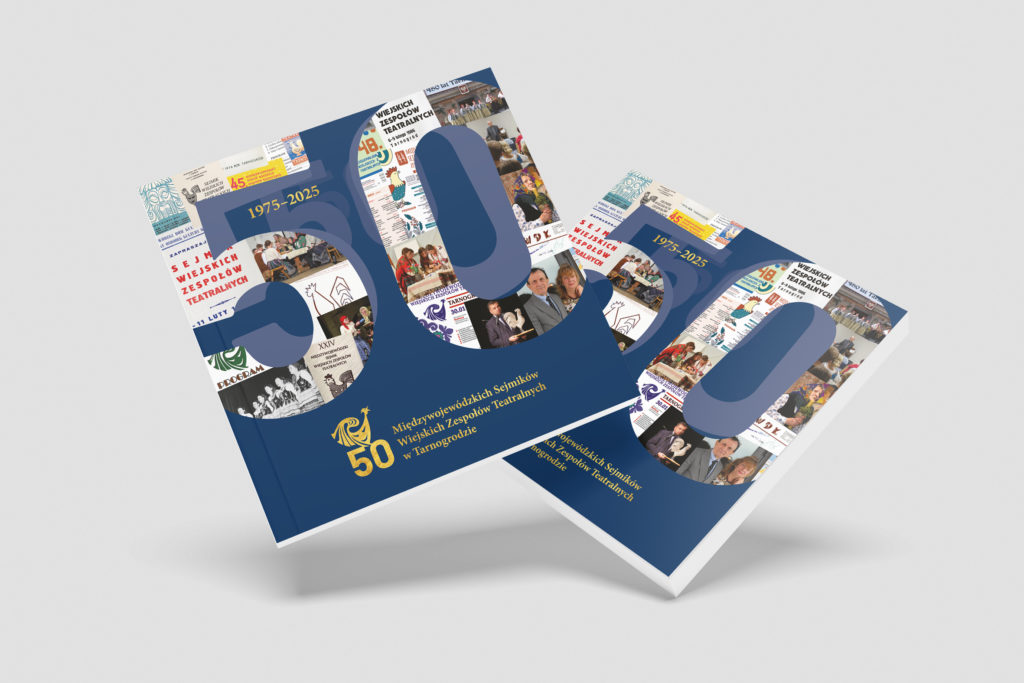
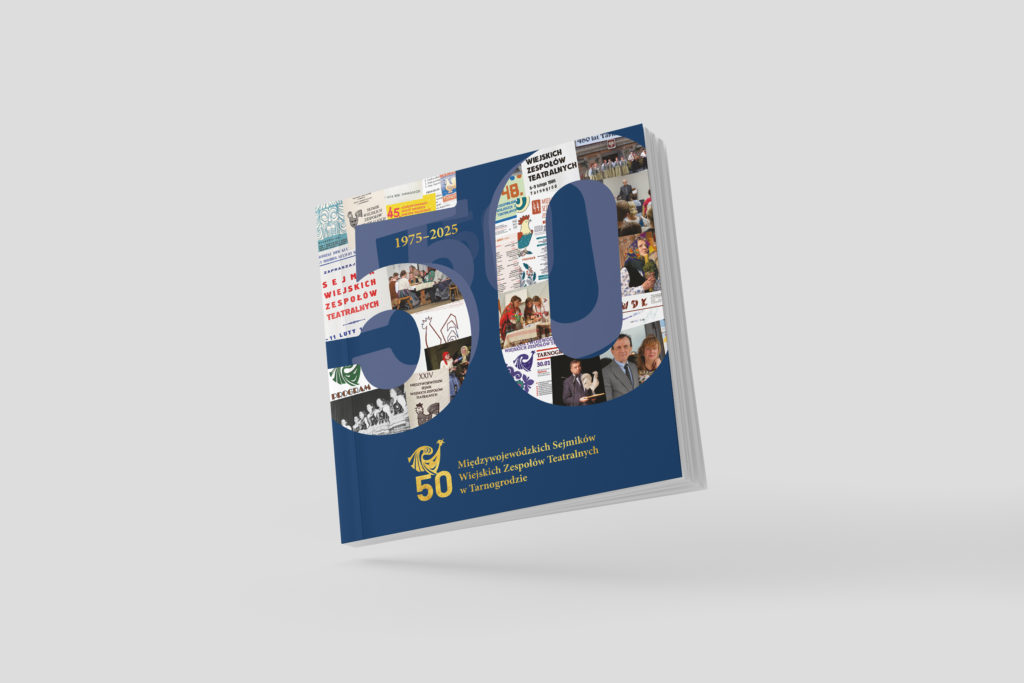
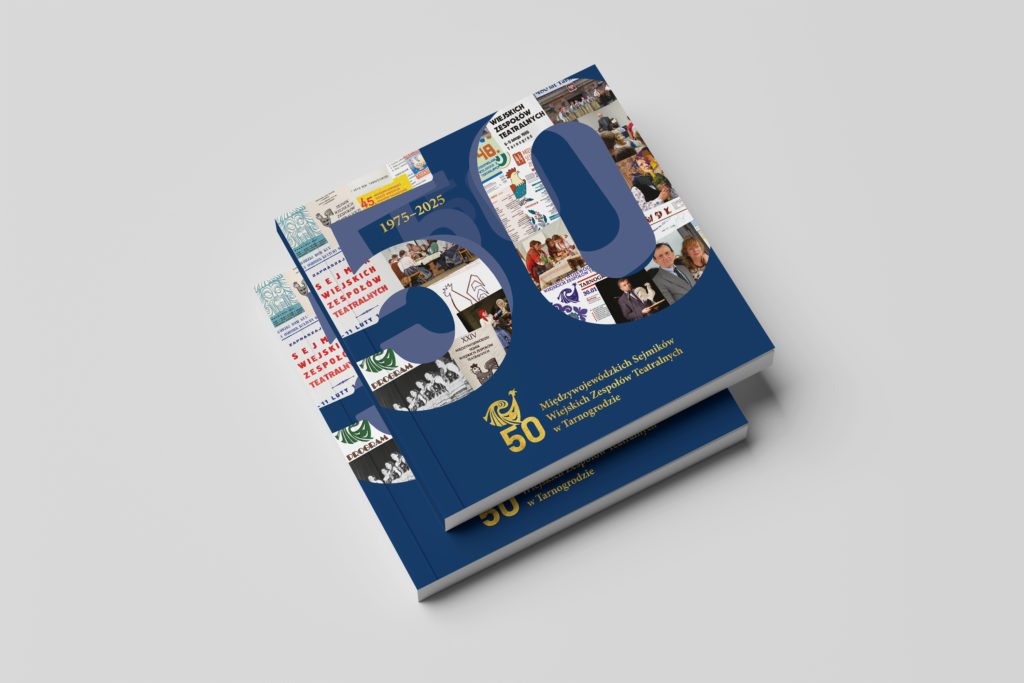
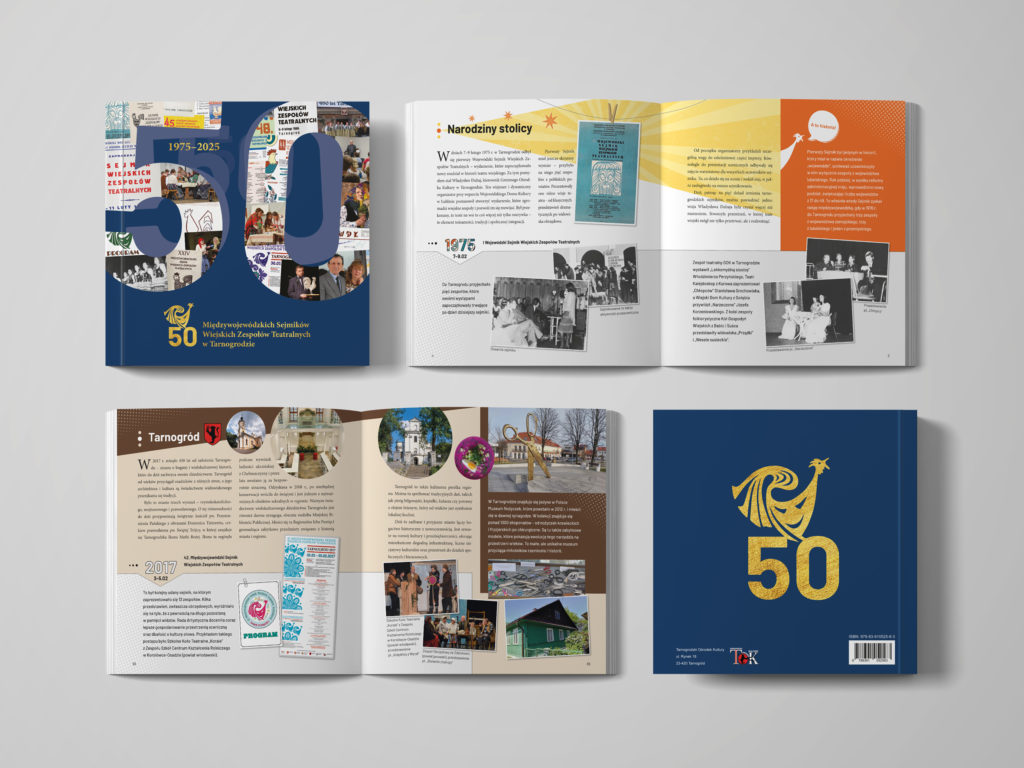
On this occasion, we have prepared a book entitled ‘50 Interprovincial Assemblies of Rural Theatre in Tarnogród’. The book is a testimony to this extraordinary journey: from the first assembly in 1975 to the jubilee assembly, which took place on 28-30 March 2025. In addition to many interesting photographs, the book contains extremely interesting archival materials (letters, scans, programmes, posters and correspondence with authorities) that show the changes that have taken place over the past 50 years.
In March 2025, the Ministry of Culture and National Heritage submitted an application entitled ‘Assemblies (Sejmiki) of rural theatre groups: a comprehensive model for safeguarding intangible cultural heritage’ to the UNESCO Register of Good Safeguarding Practices. This is the first application in Poland’s history for inclusion in this prestigious Register.
Thus, the Rural Theatre Assemblies of Tarnogród are entering the international stage – as proof that a local initiative, rooted in passion and community, can become an inspiration for the world.
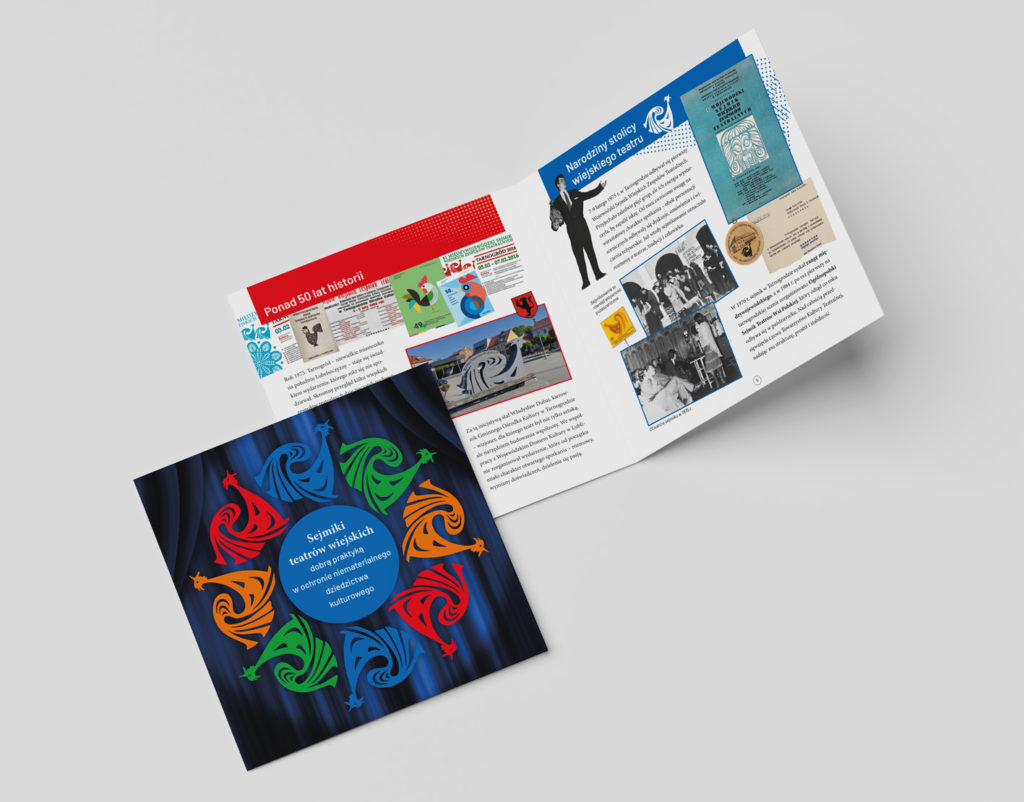
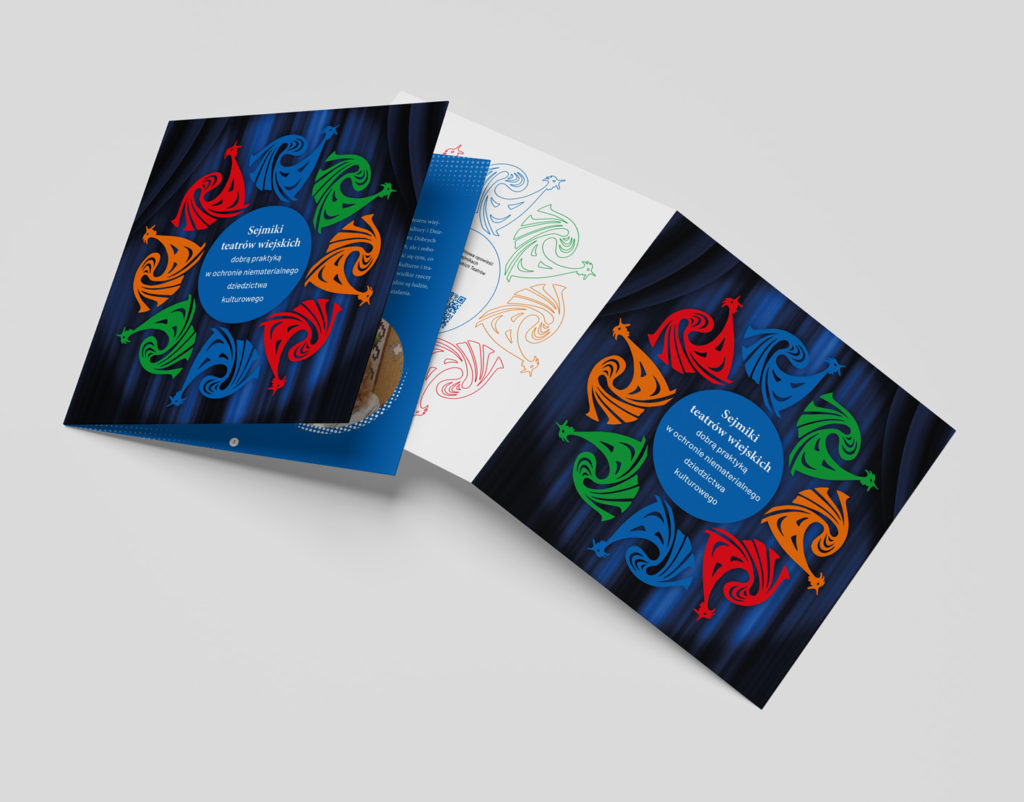
On this occasion, a brochure entitled ‘Assemblies of rural theatres as good practice in safeguarding of intangible cultural heritage’ was published.
Renata Ćwik, director of the Tarnogród Cultural Centre:
‘Sejmiki are a phenomenon. They are an example of how theatre can be a tool for safeguarding intangible heritage. Half a century of the assemblies is half a century of meetings with people for whom theatre is not only an art form, but also a way of safeguarding. Today, on its way to UNESCO, this story has come full circle – from a local review to an international model of good practice’.